

Edina, MN · Local Fence Contractor
Fence Company in Edina, MN
Edina Fence Builders installs and repairs wood, vinyl, chain link, aluminum, and pool fences across Edina and the surrounding suburbs — with footings planned for Minnesota's 42-inch frost line and the permit pulled before the first post goes in the ground.
- Permit filing included on every install
- 42-inch frost-depth footings
- Gopher State One Call locate scheduled
Get a Free Fence Estimate
Tell us about your project — we'll get back to you fast.
What We Do
Fence Installation & Repair Services in Edina
Wood Fence Installation
Cedar and pressure-treated privacy, picket, and shadowbox fences.
View Details
Vinyl Fence Installation
Low-maintenance PVC privacy and semi-privacy fencing built for Minnesota winters.
View Details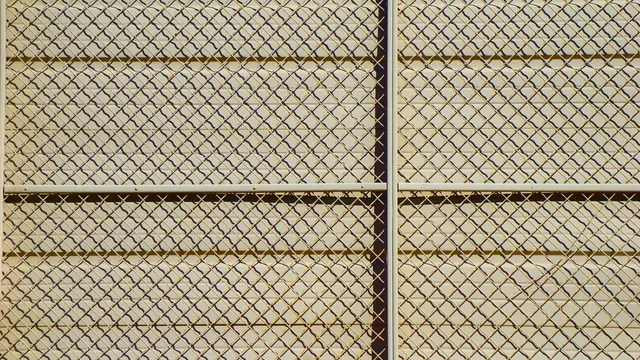
Chain Link Fence Installation
Galvanized and vinyl-coated chain link for yards, dogs, and side lots.
View Details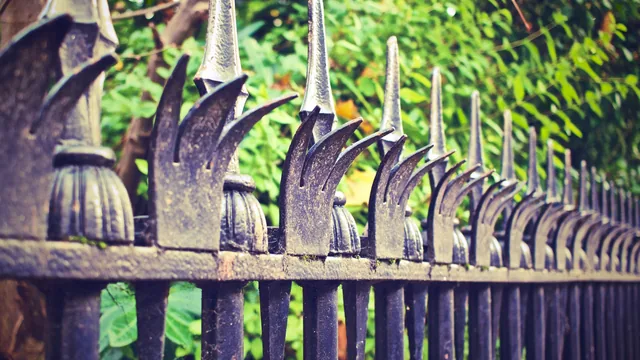
Aluminum & Ornamental Fence
Aluminum and wrought-iron style fencing for a decorative, low-upkeep boundary.
View Details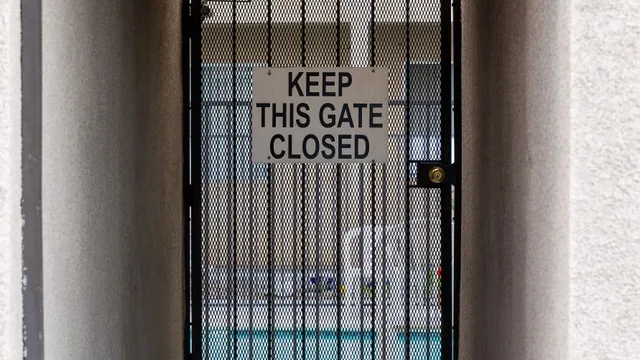
Pool Fence Installation
Code-aware barrier fencing with self-closing, self-latching gates.
View Details
Fence Repair
Leaning posts, storm damage, and gate repair, most common after a Minnesota freeze-thaw winter.
View Details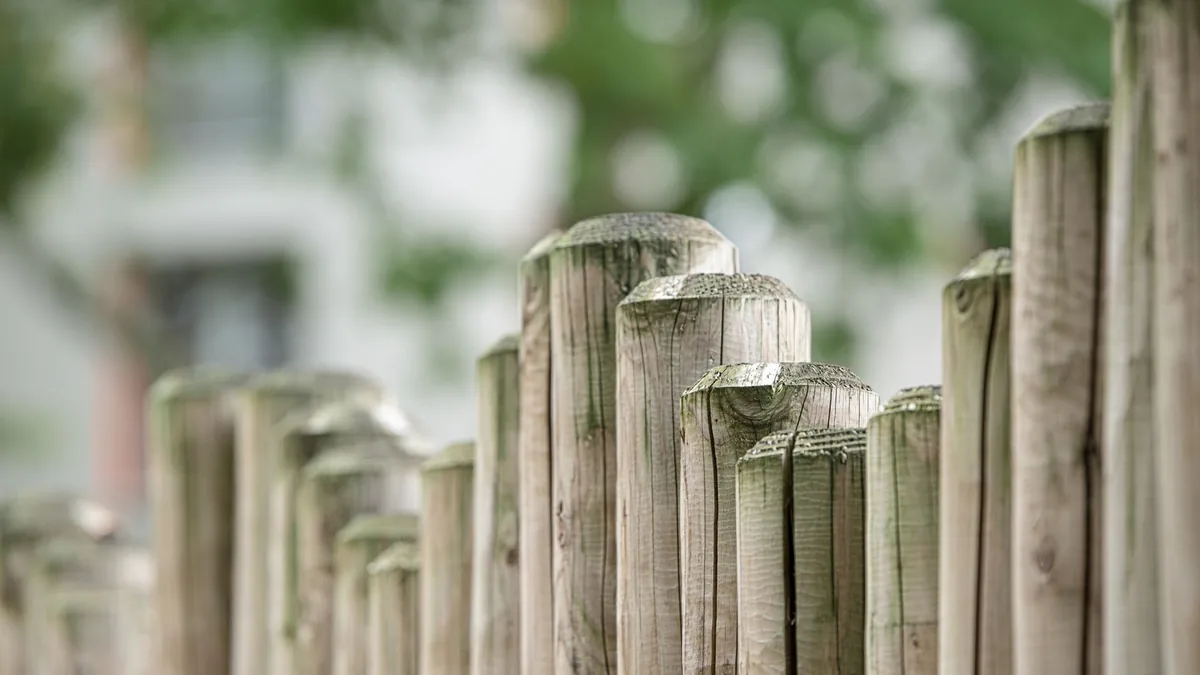
Why Edina Fence Builders
Built for Edina's Climate and Edina's Code
A fence that looks right in a catalog can still fail here. Cedar and black locust resist ground-contact decay naturally, while lower-grade vinyl is more prone to cracking in extreme cold, and Minnesota sees roughly 55-60 freeze-thaw cycles a season that can heave a shallow-set post right out of alignment. We set every footing to depth first, then finish the fence.
Frost-Depth Footings
Posts set below the 42-inch Hennepin County frost line so the fence is still straight in five years.
Permits Handled for You
Filed with the City of Edina Building Inspections Division, built to the 6-foot rear/side and 4-foot front-yard limits.
Utility Locate Scheduled
The required Gopher State One Call locate is booked before any post hole gets dug.
How It Works
A Free Estimate, on a Schedule We Actually Keep
Free On-Site Estimate
We measure your fence line, talk through material options, and give you a firm written price — not a phone-only ballpark.
Permit & Utility Locate
We file with the City of Edina Building Inspections Division where required and schedule the required Gopher State One Call locate into your timeline.
Footings, Build & Walkthrough
Posts are set below the 42-inch frost line and cured before panels go on, then we finish with a walkthrough so you can check gate swing and finish.
Where We Work
Serving Edina and the Surrounding Suburbs
From lake-lot backyards to corner lots near 50th & France and Centennial Lakes Park. Roughly 1 in 4 Minnesota homeowners live under an HOA — we match style and height to your covenant, not just city code.
Fence Guide
Choosing the Right Fence for Your Edina Yard
The right fence for an Edina yard depends on three things: what the fence needs to do, what your neighborhood or HOA allows, and how the material handles a Minnesota winter. Here is how a local fence company weighs the five materials we install — and when a repair makes more sense than a replacement.
Wood: Cedar, Pressure-Treated, Picket & Shadowbox
Wood is the most requested fence we build in Edina. Cedar and black locust resist ground-contact decay naturally, which is why cedar is our default recommendation for posts and pickets that will spend the next 15–20 years in Minnesota soil; pressure-treated pine is the lower-cost alternative when the ground-contact rating is right. We build solid privacy fences, classic pickets, and shadowbox “good-neighbor” fences that look identical from both sides of the property line — often the easiest style to clear with a neighbor or an HOA architectural committee. Styles and what every install includes are on our wood fence installation page.
Vinyl: Low Maintenance, If the Grade Is Right
Lower-grade vinyl is more prone to cracking in extreme cold, which is exactly the failure mode a Minnesota winter is built to find. We install heavier-gauge, cold-rated PVC panels rather than the thin big-box product, in privacy, semi-privacy, and ranch-rail styles. Maintenance is a rinse with a garden hose once or twice a season — no staining, no sealing, no repainting. See vinyl fence installation for the styles and grades we carry.
Chain Link: The Budget Workhorse
Chain link is the most budget-friendly way to contain a dog, mark a property line, or fence a side yard without blocking the view. We install galvanized and vinyl-coated mesh, with woven privacy slats available for partial screening. Line posts run about 10 feet apart, with heavier terminal posts at every corner, end, and gate opening so the mesh stays taut through the 55-60 freeze-thaw cycles a typical Twin Cities season delivers. Full options are on the chain link fence installation page.

Aluminum & Ornamental: The Iron Look, Without the Rust
Powder-coated aluminum and ornamental steel deliver the look of classic wrought iron without the rust — which matters through a Minnesota winter of road salt and snowmelt. Both stay open and visible, which makes them the right call for front yards and pool sightlines — and the wrong call if screening is your actual goal. We'll say so plainly rather than sell you a style that won't do what you want. Both still need footings set below the 42-inch frost line. More on materials and uses: aluminum & ornamental fencing.
Pool Fences: Where Code Is the Point
Minnesota's statewide pool-barrier baseline requires a 48-inch minimum barrier height, gaps and bottom clearance of no more than 4 inches, and a self-closing, self-latching gate with the latch set at least 54 inches from grade. We build every pool fence to that baseline, test the gate hardware at install, and confirm your property's exact requirement through the Edina permit. Details are on our pool fence installation page.
Repair: When You Don't Need a New Fence
Most repair calls trace back to frost heave: a footing set shallower than the 42-inch frost line gets pushed out of plumb one freeze-thaw cycle at a time. If one or two posts lean but the rest of the run is straight and the boards are sound, that's almost always a repair — a reset below frost depth in fresh concrete, not a rebuild. We diagnose on-site and tell you which situation you're in at the estimate, not the more expensive answer by default. Common fixes and what an estimate covers: fence repair.

Permits, Utility Locates, and the Minnesota Build Window
Most new residential fences in Edina need a permit through the City of Edina Building Inspections Division, with height generally capped at 6 feet in rear and side yards and 4 feet in front yards. We file the application as part of every installation and build the turnaround into your schedule up front. Before any post hole gets dug, state law requires a utility locate through Gopher State One Call — we schedule it on every job. Most Twin Cities installs happen inside the mid-spring to early-to-mid-October window, before the ground freezes again.
Common Questions
Frequently Asked Questions
How much does it cost to build a fence?
Cost depends on material, linear footage, and gate count. Cedar and pressure-treated pine typically cost less up front than aluminum or ornamental steel, while vinyl falls in between. We measure your yard and give you a firm, written number at your free estimate — no per-foot guesswork over the phone.
Do I need a permit to install a fence in Edina?
In most cases, yes. Edina requires a permit for new residential fences through the City of Edina Building Inspections Division, and height is generally capped at 6 feet in rear/side yards and 4 feet in front yards. We handle the permit application as part of every installation, so you don't have to.
What time of year is best to install a fence in Minnesota?
Most Twin Cities installs happen between mid-spring, once frost restrictions lift, and early-to-mid October, before the ground freezes again. Booking earlier in that window gets you the widest choice of dates; we'll tell you honestly where you'd land if you call today.
How long will my fence installation take?
A typical residential wood, vinyl, or chain link fence goes up in one to three days once the permit is approved and posts are set, though frost-footing depth and gate count can add time. We'll give you a specific schedule at your estimate, not a generic range.
How can I get a fence estimate?
Call the number on this page or fill out the short form on our contact page. We'll walk your property, measure your fence line, and give you a written estimate — most homeowners hear back within a couple of business days.
Get a Free Fence Estimate
A free, no-obligation on-site estimate — we measure, you get a firm written price.